

LIGHT CONTROL · DAYLIGHT, VIEWS & PRIVACY
Quick answer: choose blackout fabric when blocking light through the material is the priority; compare light-filtering fabric for softer daylight; consider solar fabric when you want glare control and some view through the lowered shade. Check the exact sample and window fit before deciding how much privacy or darkness you will get.
Research-based guide, updated November 12, 2026. We compare published product information, not hands-on test results. Some links may earn a commission at no extra cost to you. Read our editorial policy.
Compare blackout, light-filtering and solar shades
These labels describe light control. Separately, choose how the treatment is built: for example, a roller panel or a cellular shade. A solar shade can also use a roller mechanism.
| Option | Main goal | View through the lowered shade | Check before ordering |
|---|---|---|---|
| Blackout | Block light through the fabric | The fabric blocks the view | Edge gaps, coverage and mounting position |
| Light filtering | Diffuse daylight | Depends on the fabric; do not assume a clear view | Silhouettes and visibility with room lights on |
| Solar | Manage sunlight while retaining some view | Varies with openness, color and lighting | Exact sample and a separate nighttime privacy plan |
This is a selection guide, not a measured performance ranking. See the Blinds.com opacity explanation and light-filtering guide for product-category examples.
SOFT DAYLIGHT OR A VIEW?
Light filtering vs solar shades: what is the difference?
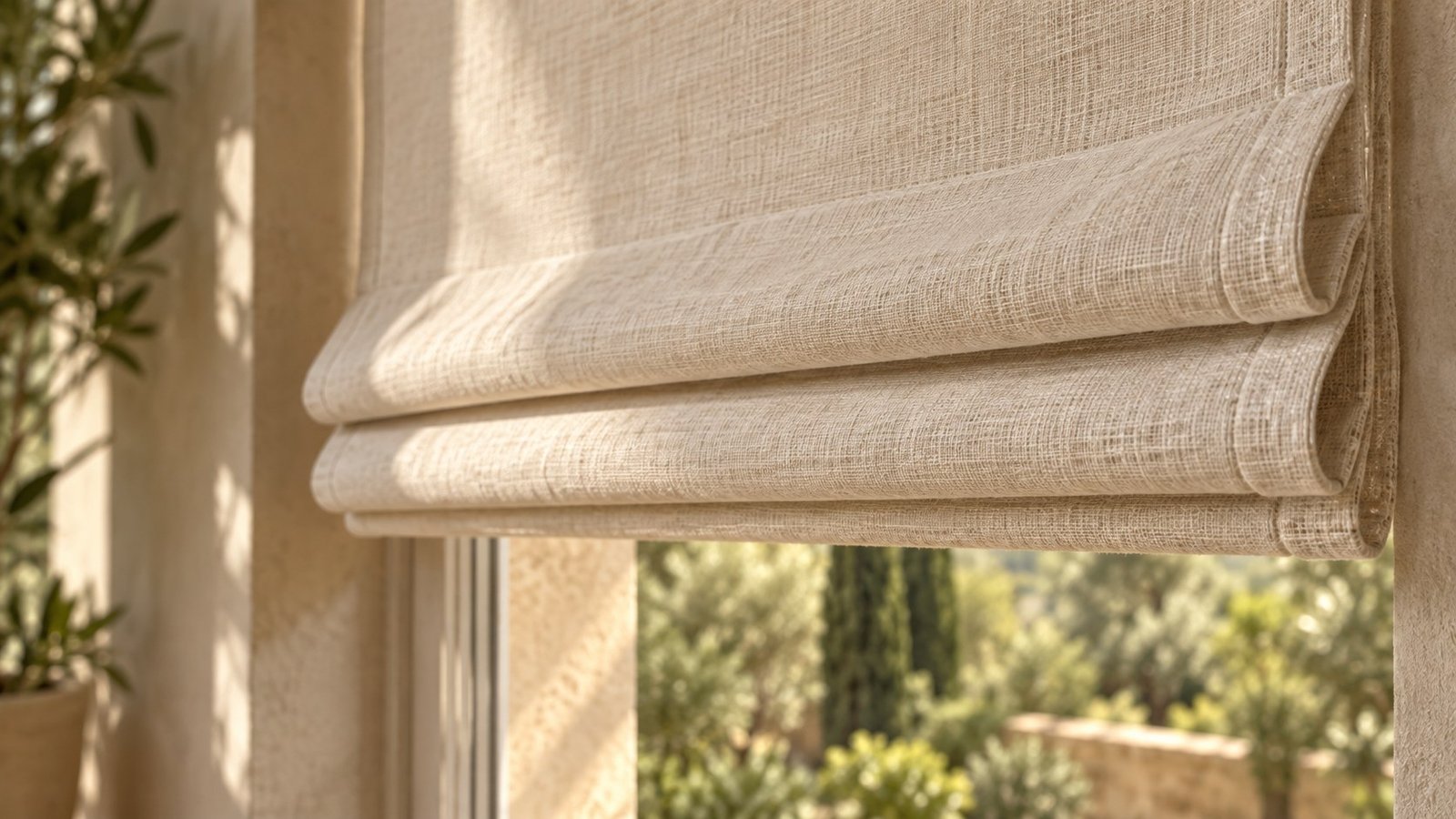
Start with whether you want to see through the lowered shade. Light-filtering fabric diffuses daylight; solar fabric uses an open weave to balance incoming light and a view. Fabric color and weave matter, so compare samples from the actual ranges you are considering.
Shortlist light filtering when…
You want a softer glow and are comfortable with the view being obscured. Check the sample for visible silhouettes after dark instead of treating “light filtering” as a guaranteed privacy level.
Shortlist solar when…
Seeing outside while the shade is down is important. Compare openness levels in the room, then decide what will cover the window when indoor lights are on at night.
The Shade Store’s nighttime solar-shade guide explains why visibility can reverse when the room is brighter than outdoors. A lower openness percentage does not turn a solar shade into a blackout layer. Compare 1%, 3% and 5% openness, then review nighttime coverage options.
DARKNESS OR DIFFUSED DAYLIGHT?
Blackout vs light filtering shades: which should you choose?
Choose the fabric goal first, then solve the installation. Blackout material is the relevant starting point for blocking light through a shade. Light filtering is worth comparing when you want daylight entering the room through the fabric. The official material comparison shows why opacity and lining choices matter.
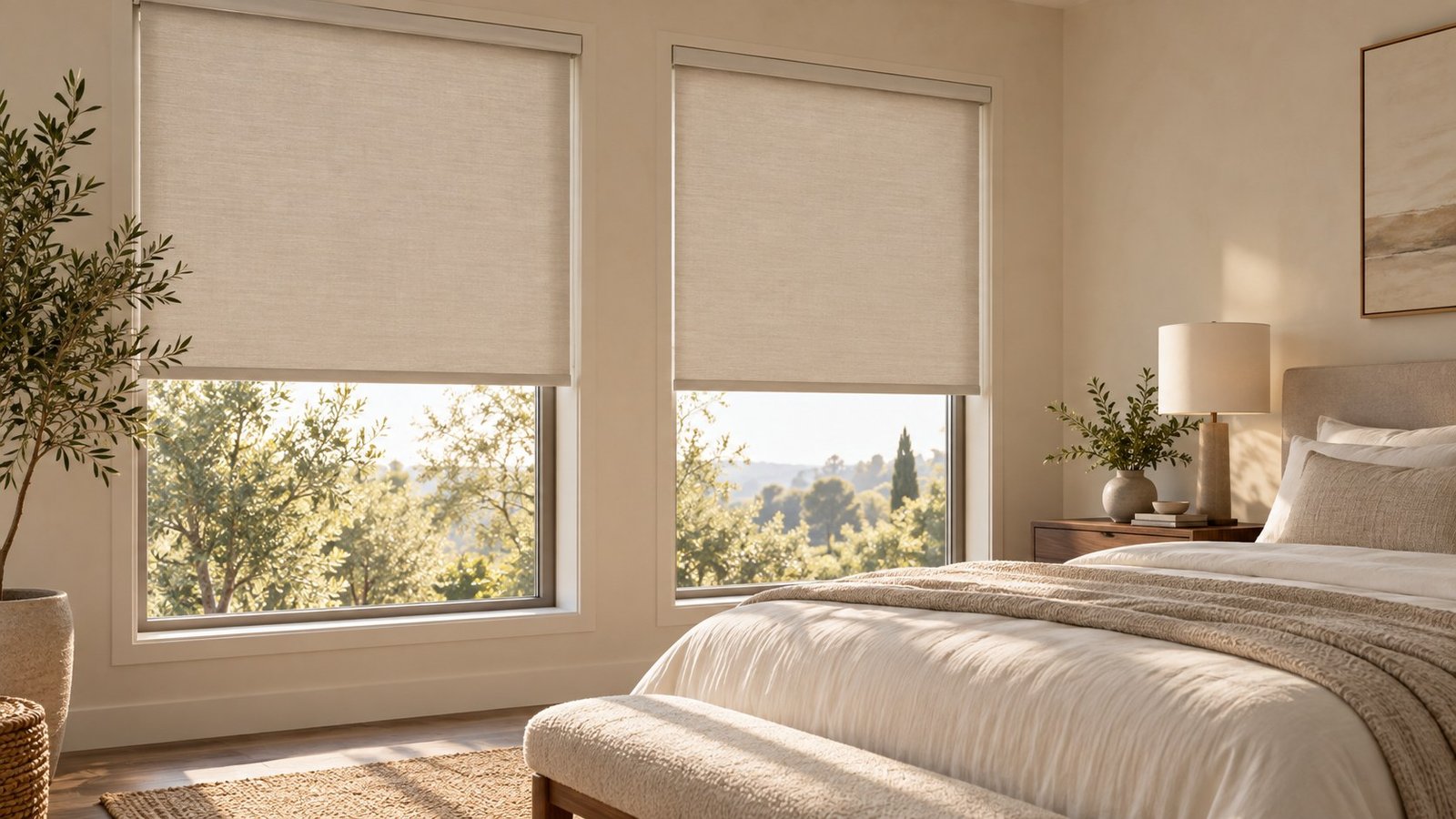
A blackout roller can still admit light around its edges. Ask the seller how much narrower the fabric is than the ordered width and which gap-control options suit the window. Our blackout light-gap guide separates fabric performance from coverage.
If you want daylight during the day and darkness at another time, compare two independently operated layers or a suitable day/night product. Verify the actual fabrics and mounting depth; a product name alone does not establish how dark the installed room will become.
Choose by room and time of day
Write down the hardest condition your window needs to handle. A street-facing living room at night can need a different solution from the same room in bright daylight.
| Your room or routine | Start by comparing | Ask or check |
|---|---|---|
| Bedroom or daytime sleeping | Blackout material and edge coverage | What are the fabric deductions and available gap-control options? |
| Living room where daylight matters | Light-filtering fabric samples | Are shapes visible through this exact fabric with indoor lights on? |
| Room where the outdoor view matters | Solar fabrics at different openness levels | Is the view acceptable, and what closes for privacy after dark? |
| Home office with screen glare | Solar or light-filtering samples | How does each sample look from the desk at the problem time of day? |
| One window with changing needs | Two layers or a suitable day/night combination | Can the window accommodate the hardware, and are controls independent? |
Check samples before comparing prices
- Label each sample. Record the exact range, fabric, color, opacity or openness, and any lining.
- Check it at the intended window. Observe daylight and the time of day when glare is most troublesome.
- Check after dark. Turn on the room’s usual lights and assess visibility from an appropriate, accessible outside position.
- Review the full installation. A small swatch helps compare fabric; it cannot prove full-window privacy or edge coverage. Confirm the finished shade dimensions and mount with the seller.
- Build matching quotes. Keep dimensions, fabric, controls, hardware and services consistent.
For mounting decisions, see inside vs outside mount. For construction, use the cellular vs roller comparison. Then compare brands and use the dated price library.
Looking at a specific seller? The Blindster roller and solar shortlist illustrates which product decisions belong in a quote; The Shade Store quote checklist includes services and controls.
Common light-control questions
Are solar shades the same as light-filtering shades?
Solar shades let light through, but the label describes a particular open-weave fabric category. When a seller lists solar and light-filtering collections separately, compare their actual materials, view and privacy behavior.
Can people see through light-filtering shades at night?
It depends on the material and lighting. Test the exact sample with room lights on and ask the seller about silhouettes. Add a suitable second layer if that fabric does not meet your privacy needs.
Does 1% solar fabric mean blackout?
No. Solar openness and blackout describe different properties. Check the manufacturer’s specification and arrange nighttime coverage separately.
Will blackout shades make the room completely dark?
Fabric opacity is only part of the result. Light may enter at the sides, top or bottom. Review mount, deductions and gap-control options for the actual window.
Sources and review method
The official explanations linked beside the relevant sections were checked November 12, 2026. Our room checklists are editorial planning guidance, not measured light-transmission, privacy or energy-performance tests. Request current product specifications and verify the intended installation before ordering.
Make the next decision.
Turn your fabric shortlist into a window plan. Check edge coverage, after-dark visibility and the mount before requesting a quote.
Why do blackout shades leak light?
Separate fabric opacity from gaps around the finished shade.
Read the guide →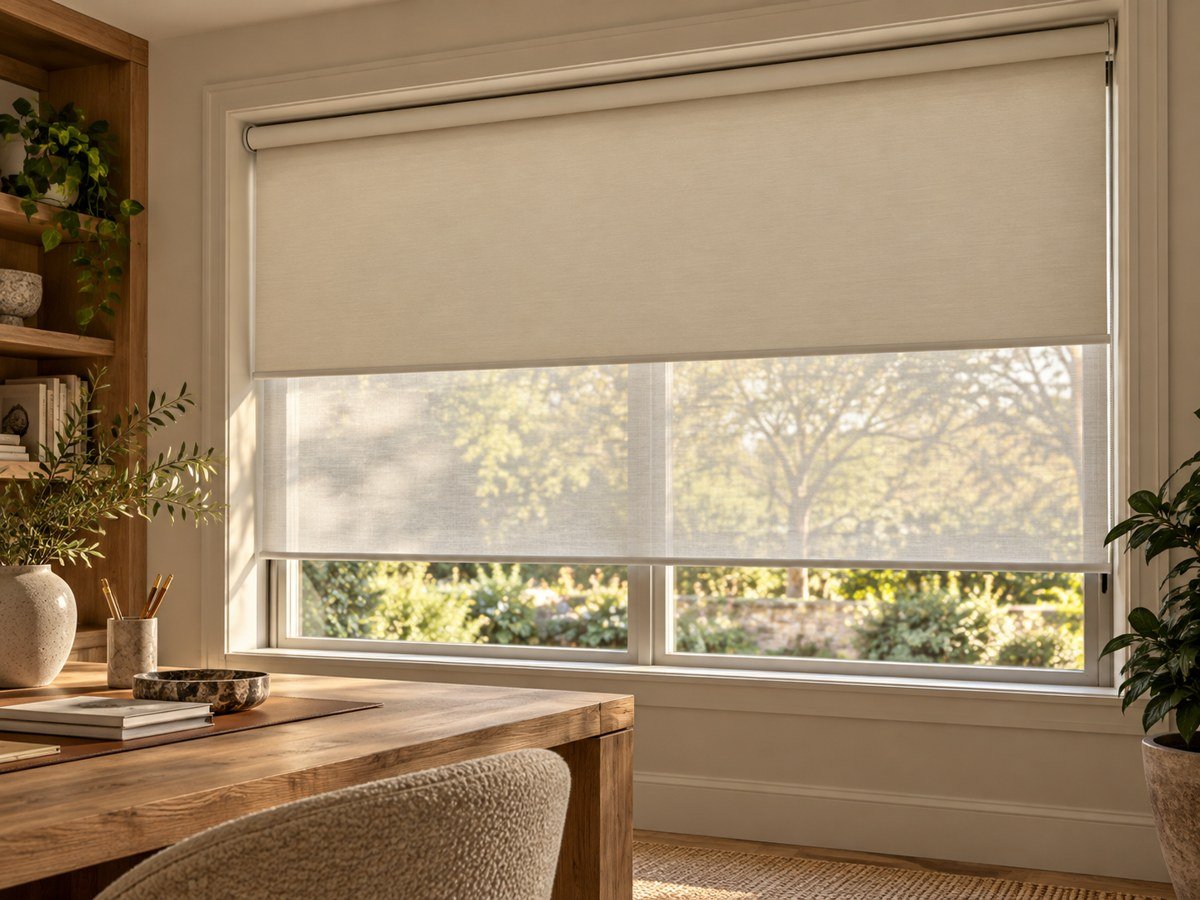
Can people see through solar shades?
Plan evening coverage before choosing an open-weave fabric.
Read the guide →
Inside or outside mount?
Compare recess fit and coverage for your window.
Read the guide →Still choosing a construction? Use the cellular vs roller shade comparison to check insulation, blackout coverage, window fit and the complete quote alongside your chosen fabric.