

Choose the construction.
Then choose the light.
Start with cellular shades when insulating construction and pleated texture matter most. Start with roller shades when you prefer a flat panel and a rolled-up finish. For either style, compare the exact fabric, coverage, controls and complete quote before ordering.
Sources checked October 16, 2026. Research-based buying guidance, not a hands-on comparison.

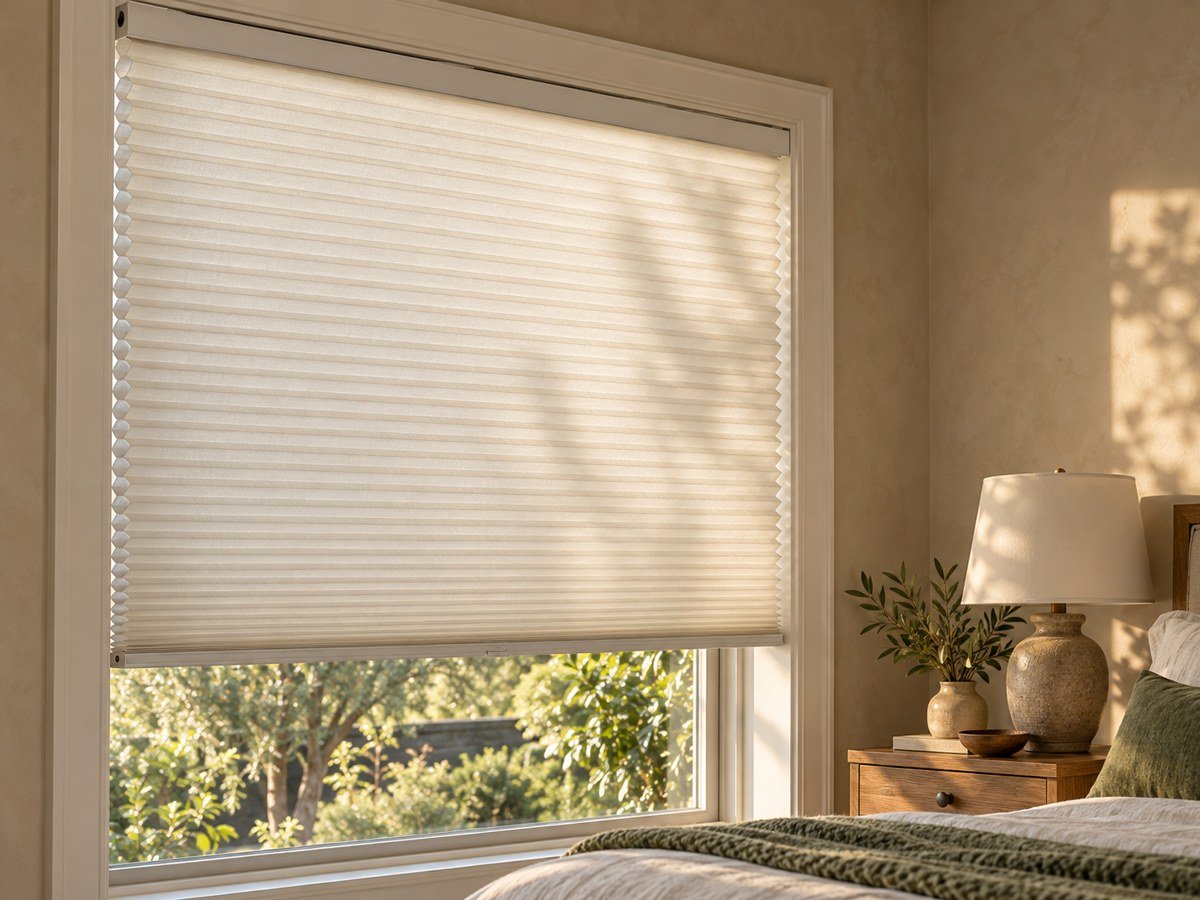
Cellular shades
Pleated fabric forms air-trapping cells and folds into a stack when raised.
- Start here for: insulating construction and a textured window finish.
- Decide separately: light-filtering or blackout material.
- Check the fit: headrail depth, raised stack and edge coverage.
Roller shades
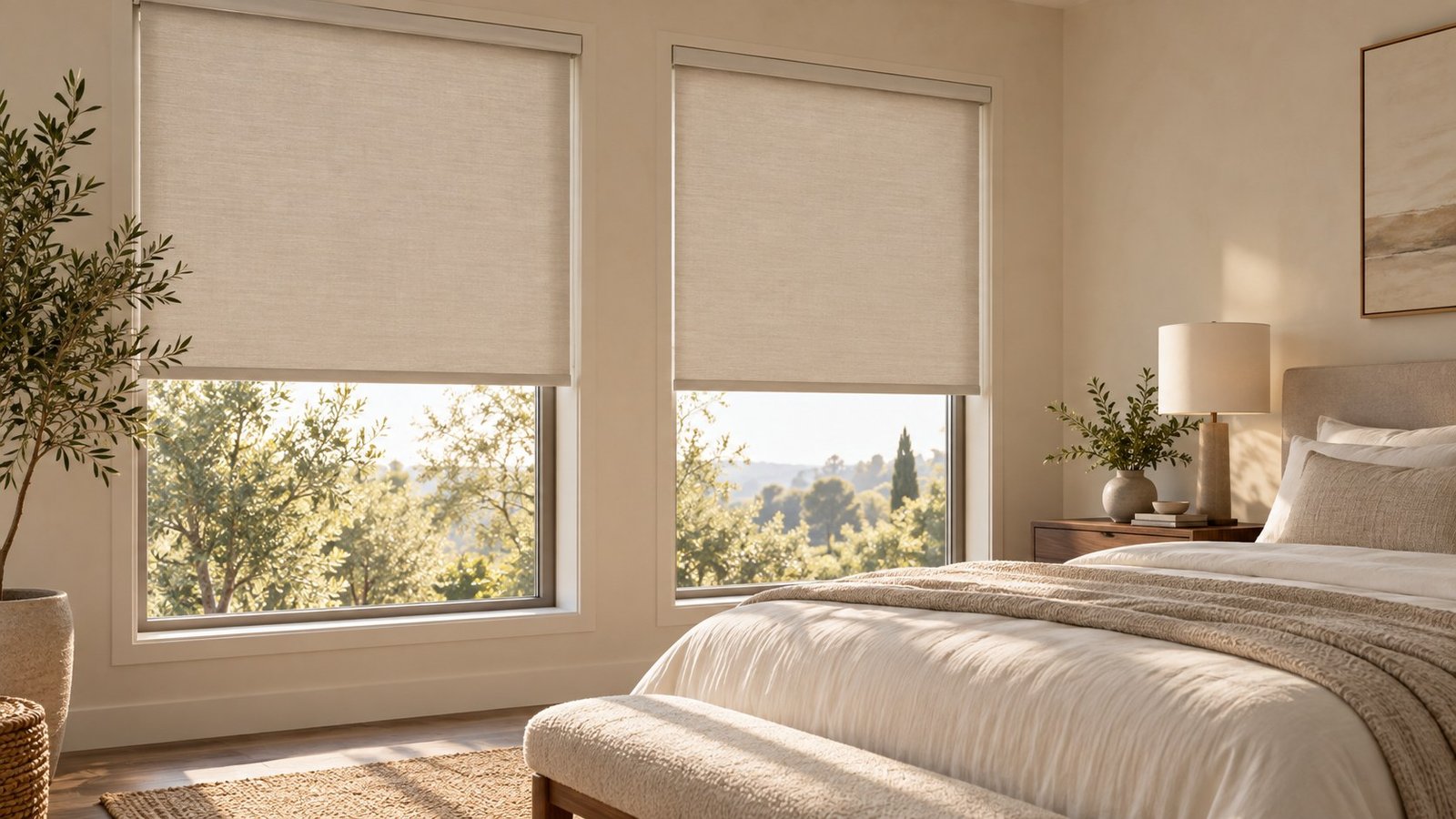
A continuous fabric panel rolls around a tube at the top of the window.
- Start here for: a flat appearance and a choice of fabric finishes.
- Decide separately: opacity or solar-screen openness.
- Check the fit: roll or cassette depth and actual fabric width.
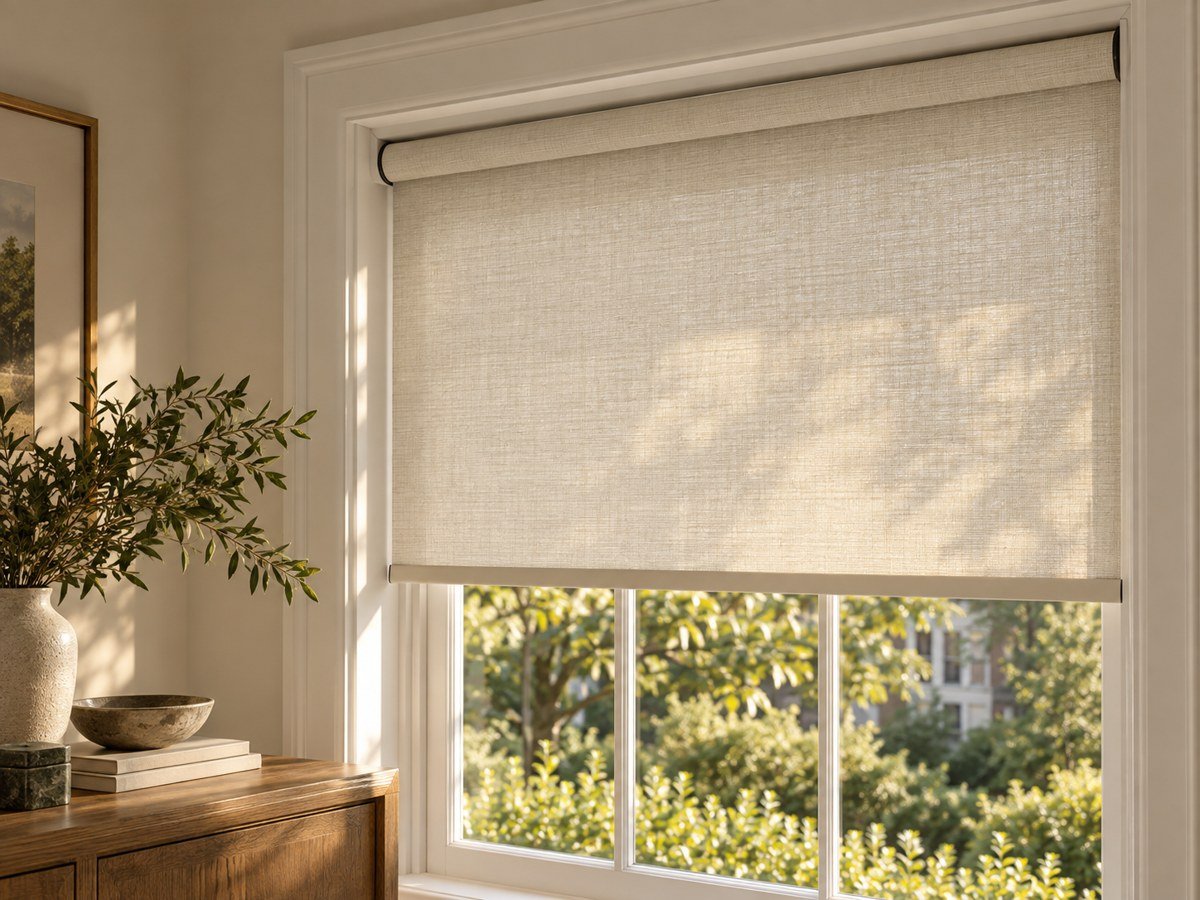
Room images are AI-generated illustrations. They do not establish a brand, installation specification or measured performance.
Cellular vs roller shades at a glance
| Decision | Cellular shades | Roller shades |
|---|---|---|
| Construction | Honeycomb cells with horizontal pleats; fabric stacks when raised. | A continuous panel winds around a roller tube. |
| Insulating approach | Cells trap air; compare the rated product and configuration. | Check the fabric and published energy performance for your climate. |
| Daylight & darkness | Choose the specific light-filtering or blackout material. | Choose opacity; treat solar openness as a separate specification. |
| Space to check | Headrail depth, raised stack and room around handles. | Bracket or cassette depth, roll size and fabric clearance. |
| Blackout coverage | Check the top, sides and bottom as well as the fabric. | Check the same; ask about compatible blockers or tracks if needed. |
| Motor & price | Compare the exact lift, power and supporting equipment. | Use the same requirements; style alone does not decide cost or compatibility. |
Construction references: AERC window attachment types and SelectBlinds’ style comparison. Fit and quote checks are our buying framework.
Which should you shortlist for your room?
Our suggested starting points follow the job you want the window covering to do. They are not rankings of every product in either category.
A room that feels cold
Start with a well-fitted cellular option and ask for its energy rating. Compare the actual window and climate before predicting savings.
A darker bedroom
Keep both styles on the shortlist. Set the blackout material and edge-coverage plan first, then choose the appearance.
A daytime view
Compare a solar roller fabric if seeing outside through the lowered shade matters. Plan nighttime privacy separately.
Shallow recess or rental window? The mounting system may decide the shortlist before appearance does. Check the exact minimum depth, permitted surface and control option. Use our no-drill motorized shade comparison if you want to avoid drilling.
Insulation: compare the product’s energy rating
The U.S. Department of Energy explains that cellular shades trap air inside their cells and between the shade and the window. That is a reason to include cellular construction when window comfort matters. It is not a guaranteed saving for every room.
Roller shades can also help manage unwanted solar heat and glare, as AERC describes. The material, installed fit, climate and operation all belong in the decision. Keep a general construction preference separate from evidence about your chosen product.
How to use an AERC label
- Match the listing: confirm the manufacturer, product and rated configuration.
- Check the relevant climate rating: Cool Climate for heating-related priorities, Warm Climate for cooling-related priorities.
- Read automation separately: where shown, the label identifies the rating associated with automated operation.
- Compare like metrics: AERC says to compare Cool Climate or Warm Climate ratings across product categories; category maximums differ.
Read the official label guide or search certified residential products. Do not assume a brand’s entire range is certified because one product is listed.
Source: DOE cellular shade fact sheet (PDF). Its study findings are not a forecast for your home; request evidence for the configuration in your quote.
Blackout, light filtering and privacy are separate choices
A honeycomb shape does not make a shade blackout. A roller mechanism does not mean the fabric is a solar screen. Choose the construction, then order samples of the exact material and color.
For darkness, inspect coverage around the panel. The Shade Store’s cellular shade FAQ notes that side gaps can still admit light with blackout materials. Compare our light blockers, tracks and mounting options before ordering either style for a bedroom.
If your roller shortlist includes an open-weave solar fabric, read the 1%, 3% and 5% solar shade privacy guide. Evaluate the proposed evening treatment with indoor lights on, rather than judging privacy from a daytime room photo.
Confirm the raised position, mount and controls
Ask what will remain at the top when the shade is open. For cellular shades, record the headrail and raised stack. For rollers, record the roll, brackets and selected cassette or valance. Check how these affect the glass, window handles and any second treatment.
Use the exact lift configuration. Minimum mounting depth, flush depth and size limits can differ between manual and motorized versions. Keep the seller’s diagram with your dimensions. Our mounting guide explains the coverage questions.
Both styles are sold with motorized options, but availability depends on the product. Record the selected motor, power source, remote and intended app or voice platform. Check the motor and hub requirements and battery vs wired power guide before comparing packages.
Which costs less? Compare two complete specifications.
A base roller, a premium cellular shade and a smart roller with accessories are different purchases. Use the same room requirements for both quotes before deciding which offers better value.
- Hold the room brief constant: one window opening, the same mounting intent and the same privacy or darkness goal.
- Name the fabric: collection, color, opacity and cellular construction or solar openness where applicable.
- Match the controls: manual or motorized, chosen platform, power supply and required accessories.
- Include the finished installation: cassette, valance, tracks or blockers, second layer and labor where required.
- Save the final total and terms: shipping, tax, quote date, delivery estimate and measurement-error remedy.
A seller request you can copy
“Please quote one cellular and one roller option for [window] with [mount], [light/privacy goal] and [controls]. Confirm each product’s fabric width, raised clearance, mounting depth, included accessories and complete installed total. If energy performance is part of the recommendation, provide the matching rating or supporting specification.”
Use our 34 × 72-inch comparison method to keep the two quotes consistent. Do not treat a price for another fabric, size or motor as your final order price.
Common cellular vs roller shade questions
Are honeycomb shades and cellular shades the same type?
Yes. “Honeycomb” describes the cells formed by the folded fabric. Products can have different cell constructions, so retain the exact model in your shortlist.
Are cellular shades always better for a bedroom?
Both styles can be considered. Set the material opacity and light-gap plan first, then compare insulation, appearance, operation and cost for the chosen products.
Are roller shades always cheaper?
Do not assume so for a custom order. Size, fabric, controls, top treatment and installation change the package. Compare complete quotes that meet the same requirements.
Can both styles work with a smart home?
Motorized choices exist in both categories. The exact motor and required controller determine the connection path; confirm them for your platform before ordering.
Sources & scope
Checked October 16, 2026. This guide combines published construction and energy information with our room-planning and quote checklists. It does not report a hands-on comparison.
Make the next decision.
Compare the chosen fabric and window configuration before deciding between a pleated shade and a rolled panel.
Inside or outside mount?
Check the recess, handles and the coverage your window needs.
Read the guide →Blackout or light filtering?
Match daylight and evening privacy to the room’s main job.
Read the guide →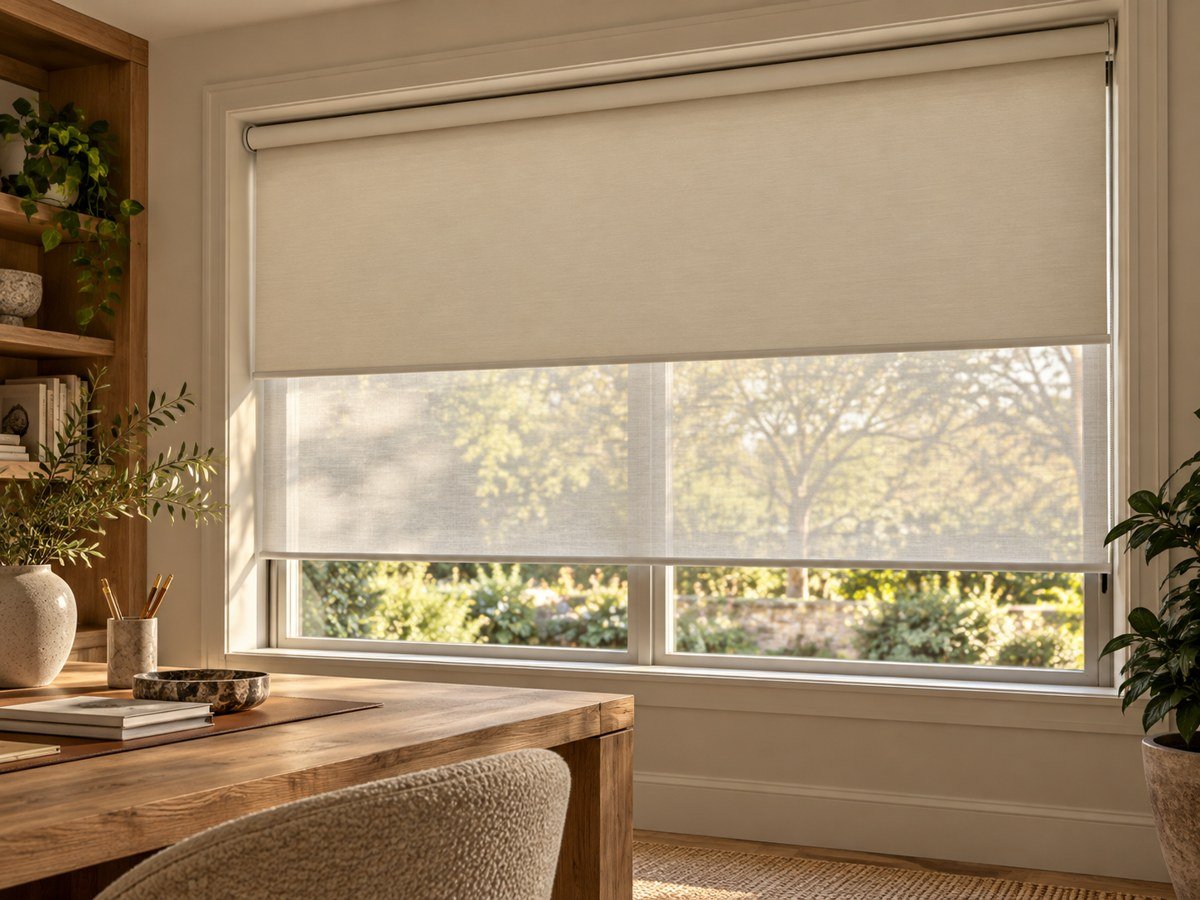
Save a complete quote.
Include the lift, controls, hardware, shipping and installation.
Read the guide →Choosing smart controls? Compare battery and wired power options alongside the exact motor and hub requirements.